Life, Death, Stage

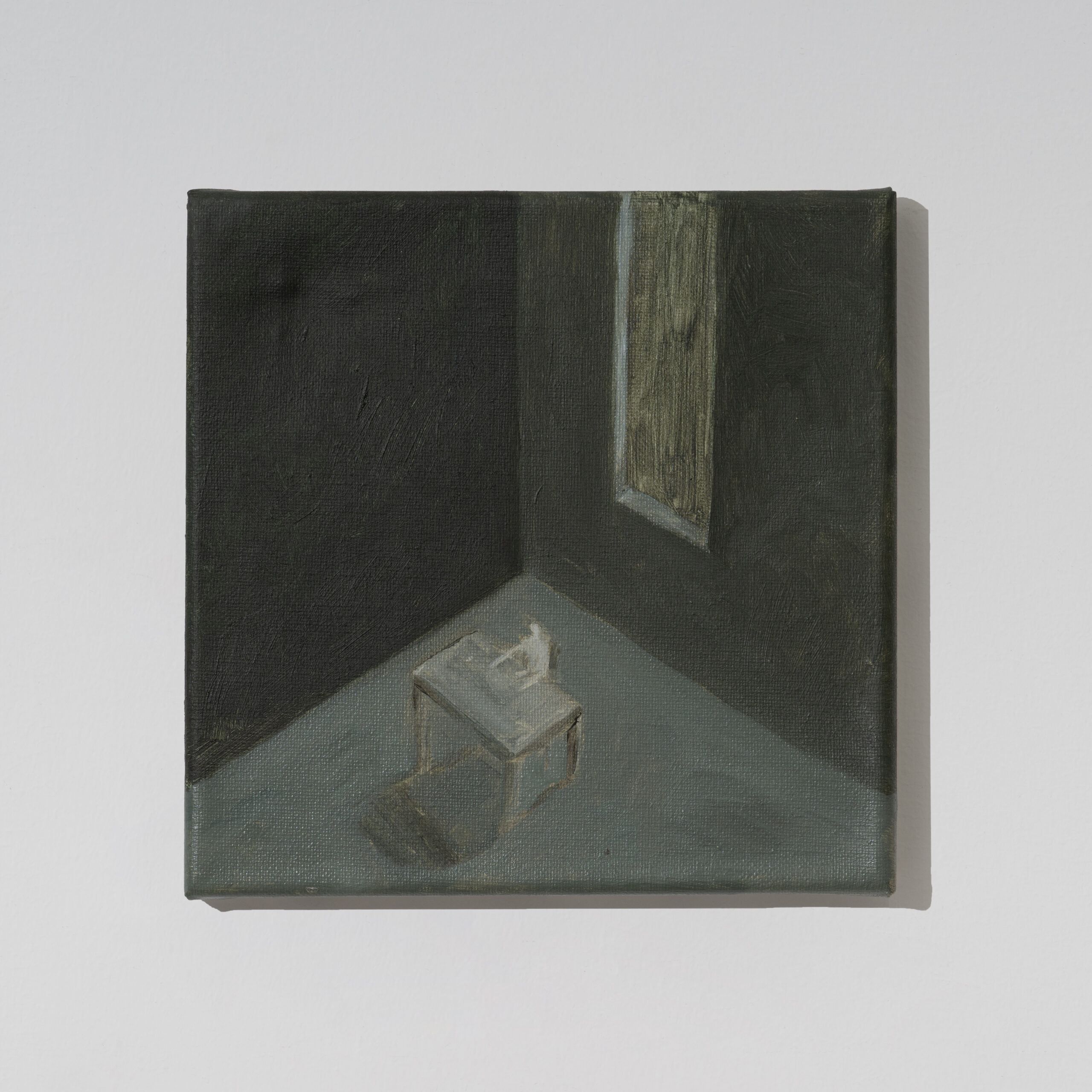
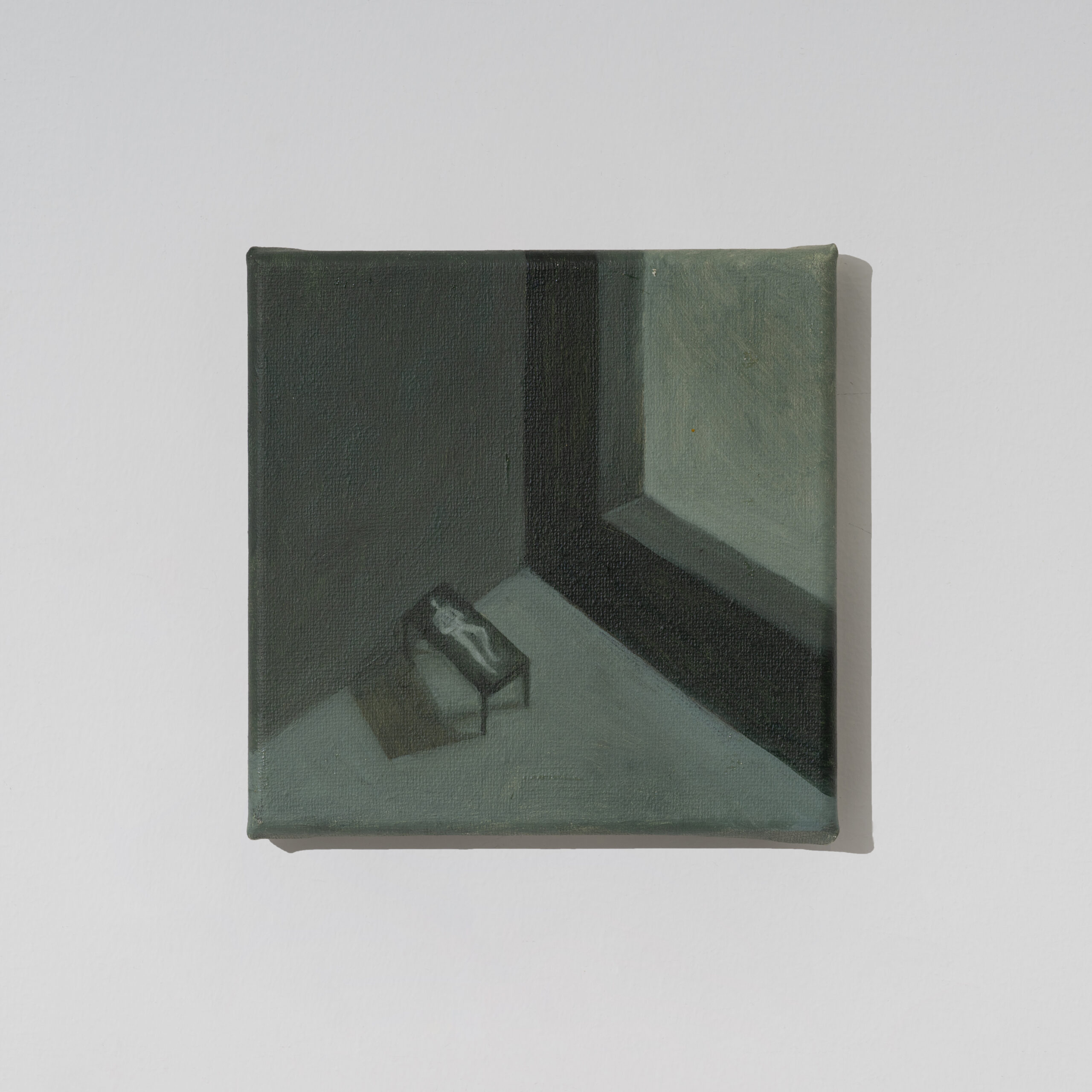
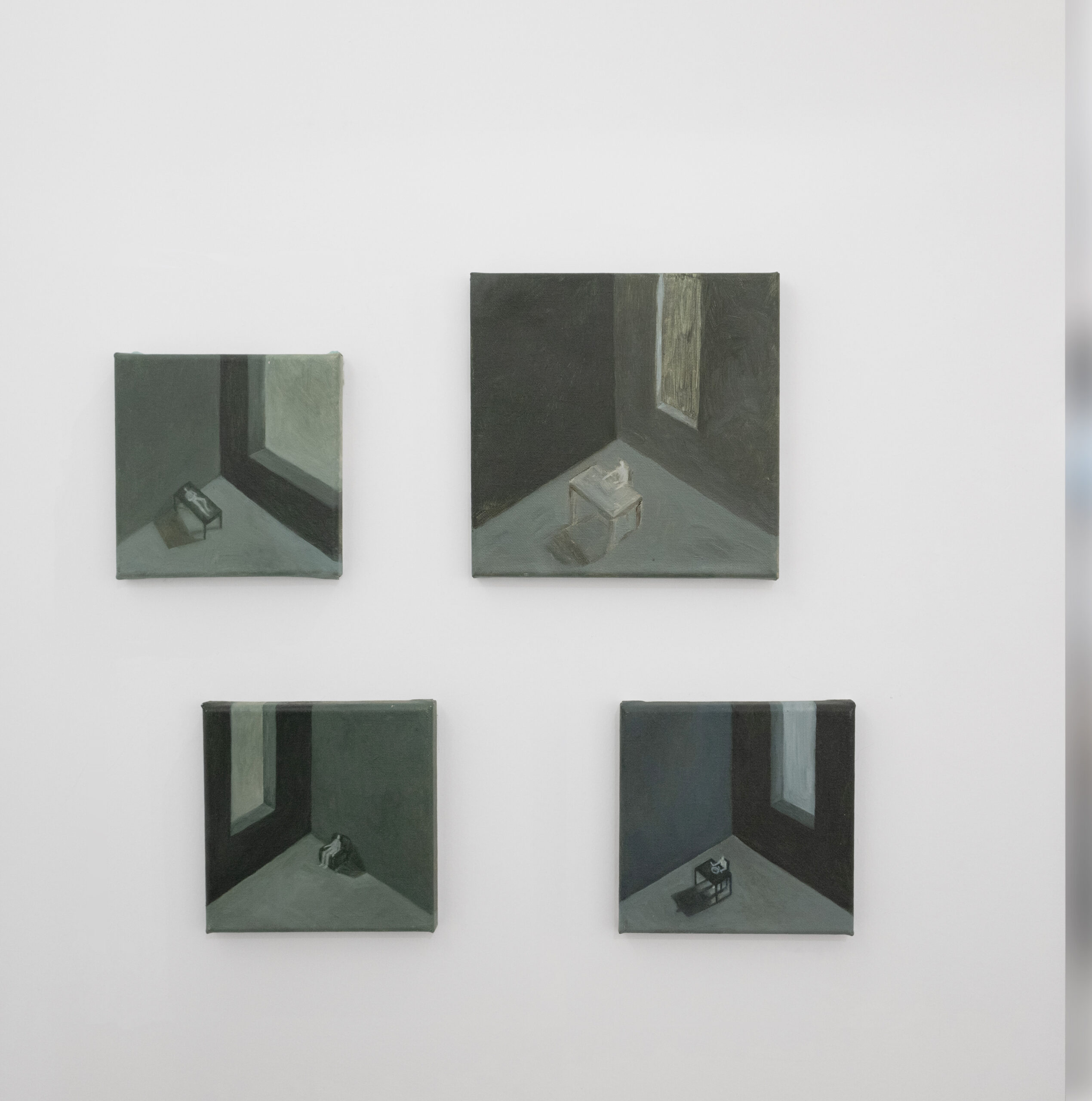
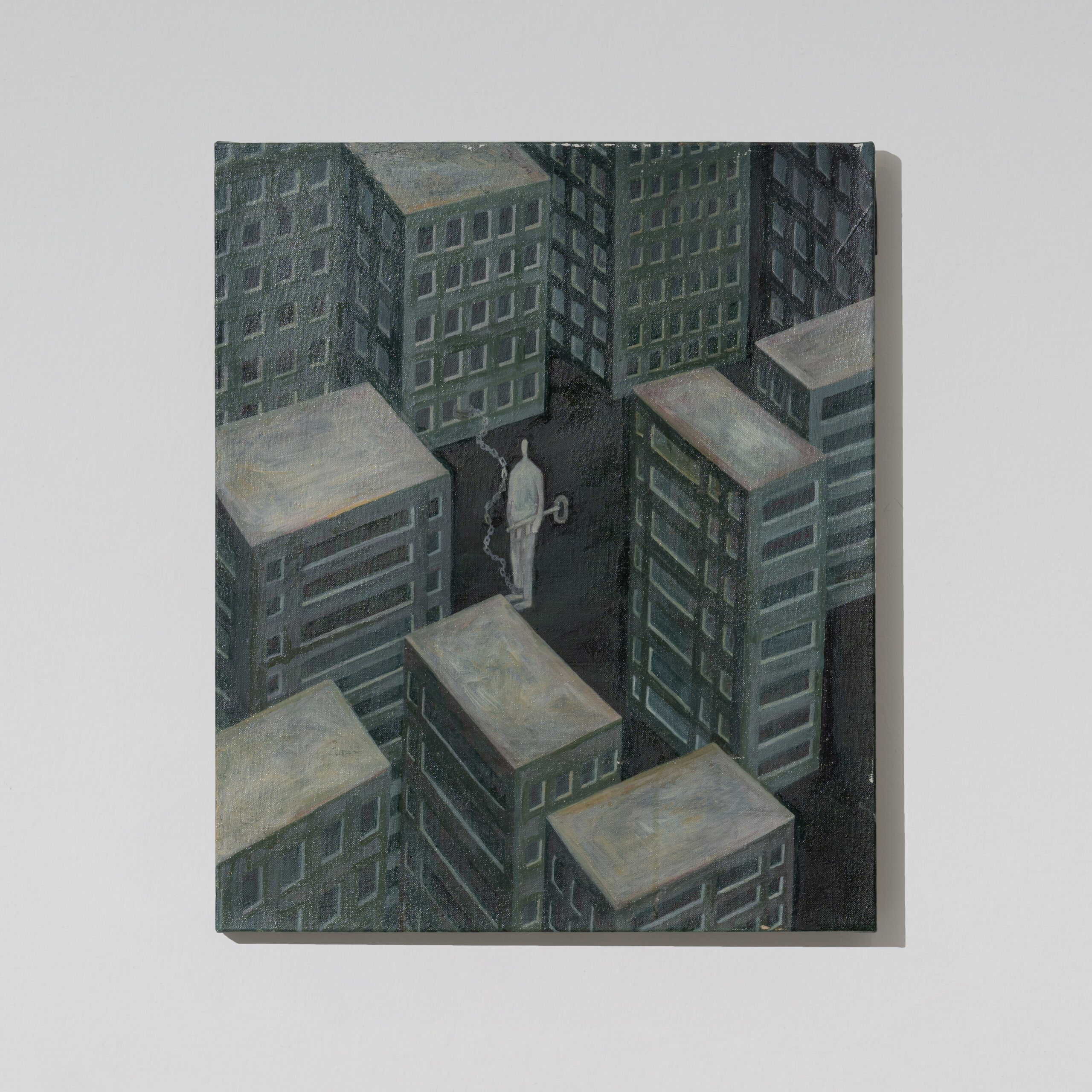
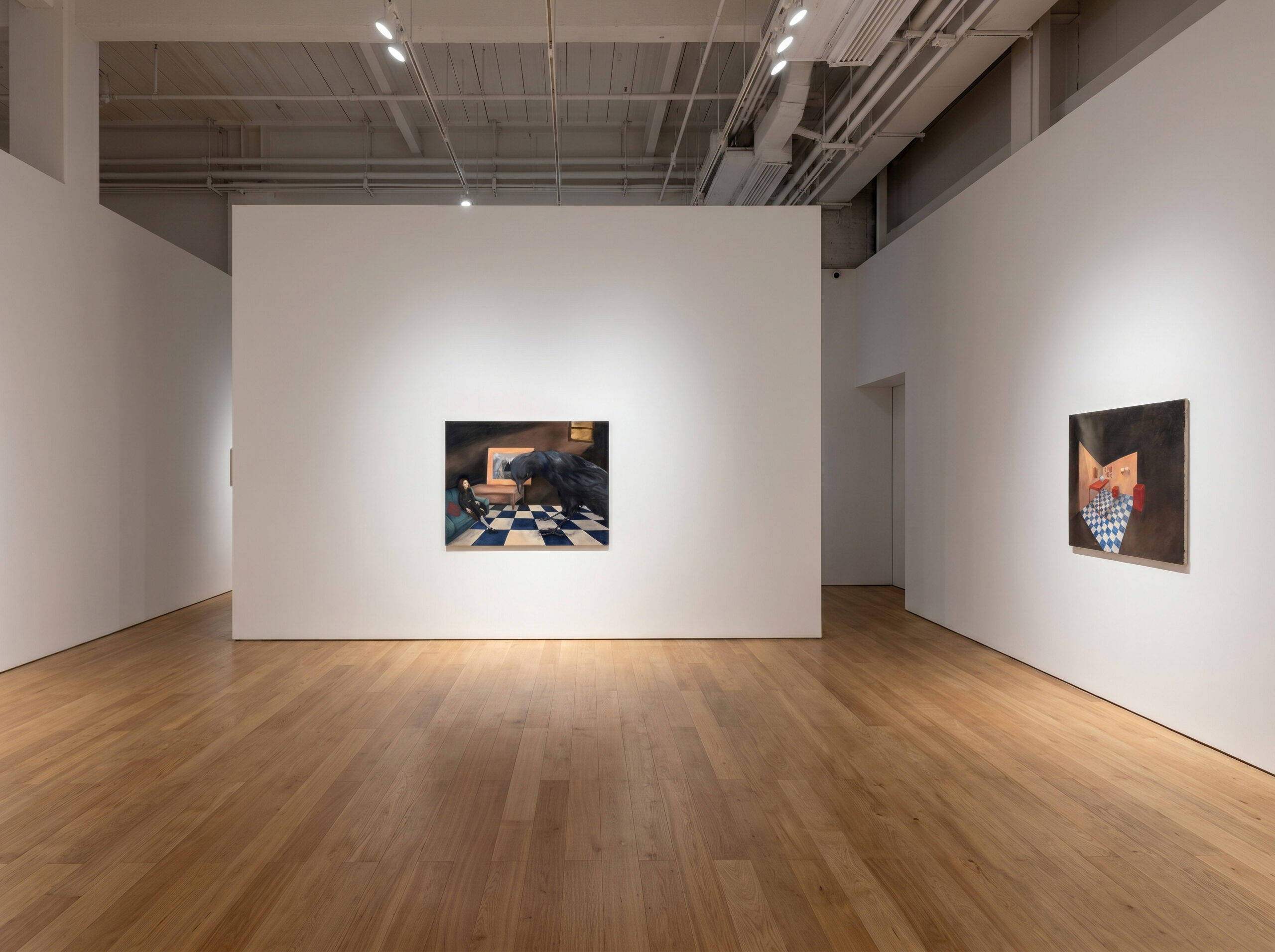
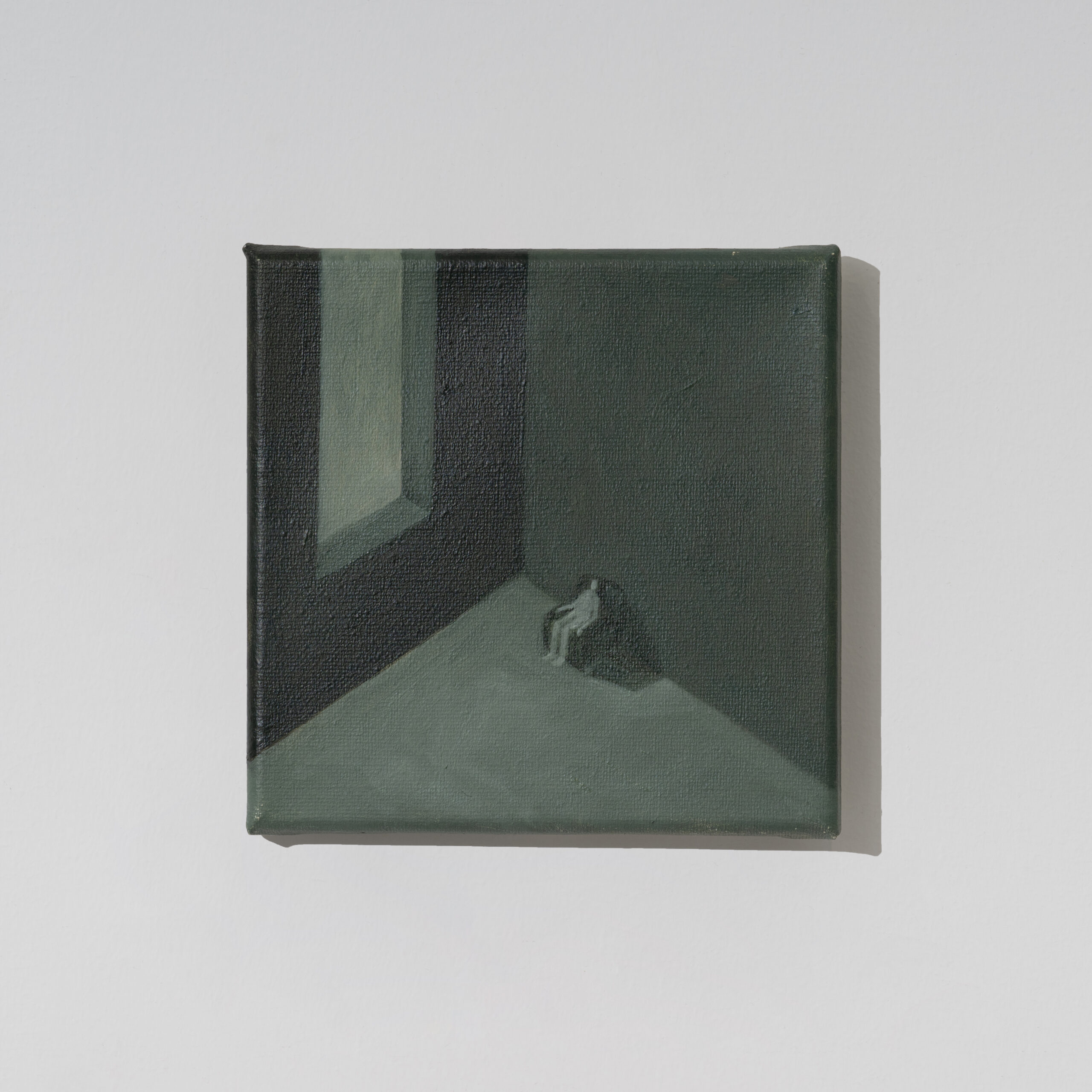
Xuehui Yang’s paintings often focus on interiors, the body and memory. In her work, rooms are not passive backgrounds, but act as stages, containers or temporary structures that shape how identity is formed and performed. Light and darkness work together within the paintings, exposing certain bodies and objects while leaving their meanings unresolved.


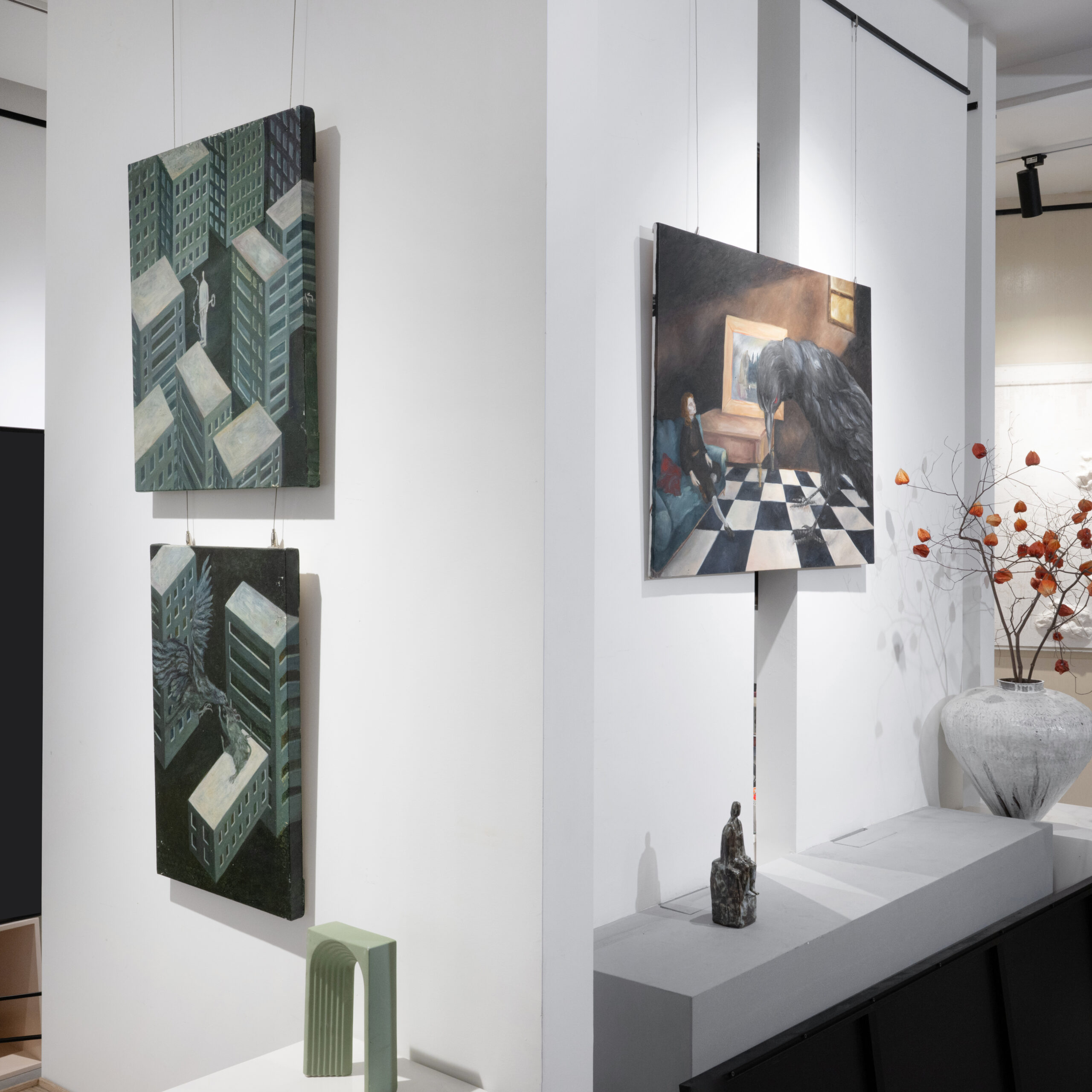
In her exhibition at UArt Gallery in Shenzhen, Xuehui Yang connects memories of her childhood in Xiamen with her life in New York. Fish appear repeatedly as a personal and symbolic motif. They come from the everyday experience of eating, but also point to life, death and bodily remains. A living creature becomes food, leaving behind bones and a head; through this transformation, an ordinary meal gains a sense of memory, anatomy and mortality.


Her works also explore the fragility of the body and identity. In her self-portrait, the self is no longer confirmed through facial resemblance, but appears through fragmented body parts. Her tattoo studio in New York is also reconstructed as a space that sustains a performed identity. For Xuehui Yang, life is held together through bodies, spaces and repeated actions, but this structure is always vulnerable to separation, collapse or disappearance.

Views

About the Artist

Xuehui Yang is a multi-disciplinary artist working across ceramics, illustration, painting and conceptual objects. Influenced by Riot Grrrl, feminist thought and queer theory, her practice explores identity, gender and marginalised voices, using material as a form of resistance against social and bodily control.Her work combines anger, wit and empathy, from deconstructed ceramic vessels to cyberpunk-inspired implants that question technology, agency and the body. She is now expanding into ecofeminism and responsive installations, using bioluminescent organisms to explore the relationship between bodies, environments and power.